|
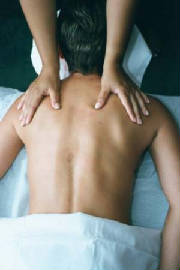
Swedish Massage
Swedish massage (or simply 'relaxation'
massage) can relax muscles, increase circulation, remove metabolic waste products, help the recipient
obtain a feeling of connectedness, and a better awareness of their body and the way they use and position it.
It increases circulation without increasing
heart load. It stretches the ligaments and tendons keeping them supple and pliable. It also stimulates the skin and nervous
system and soothes the nerves themselves at the same time. It reduces stress, both emotional and physical, and is suggested
in a regular program for stress management.
Swedish
massage includes long strokes, kneading, friction, tapping and shaking motions. It is effective for most ailments, because
massaging the skin, the body's largest organ, sets up a chain reaction that produces a positive effect on all layers and systems
of the body. It promotes health and wellbeing.
|
|
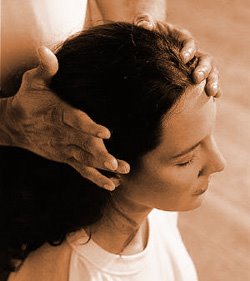
Indian Head Massage
Indian Head massage is a 'seated' technique, based on traditional methods with
attention to the shoulders, upper arms, neck, scalp, face, ears and energy balancing. This can provide relief from
aches, pains, and stress symptoms, as well as comfort and balance energy flow, giving you a deep sense of peace, calm and
tranquility.
Accumulated stress and tension can adversely affect the
important energy centers of the head, neck, and shoulders. Indian Head massage utilizes a firm and gentle rhythm
to help unknot blockages and relieve this uncomfortable build-up of tension. Its effect is not just physical: it works
on an emotional level to calm the spirit, promote relaxation, and relieve stress. This treatment is for anyone who wants
to feel better, but is especially good for people who feel worried, tense, stressed or have stress-related problems like
headaches, eyestrain, insomnia, fatigue, sinus problems, and ear aches.
This specialized technique works in the higher chakras
(sahasrara-crown, ajna-third eye, and vishuddha-throat) and can bring the energy of the whole body back into balance.
A calming, yet energizing scalp massage focusing upon vital
energy points, combined with individually chosen aromatherapy oils. A truly regenerative experience, this treatment will help
reduce tension, increase circulation and leave you with a feeling of well-being.
Men would be shirtless and ladies can wear a spa wrap, tank top or
bra. Seating is in a chair or stool.
|